
2026-03-21 · Wildlife · Biology
The Duck Eclipse: Why Male Ducks Look Different in Late Summer
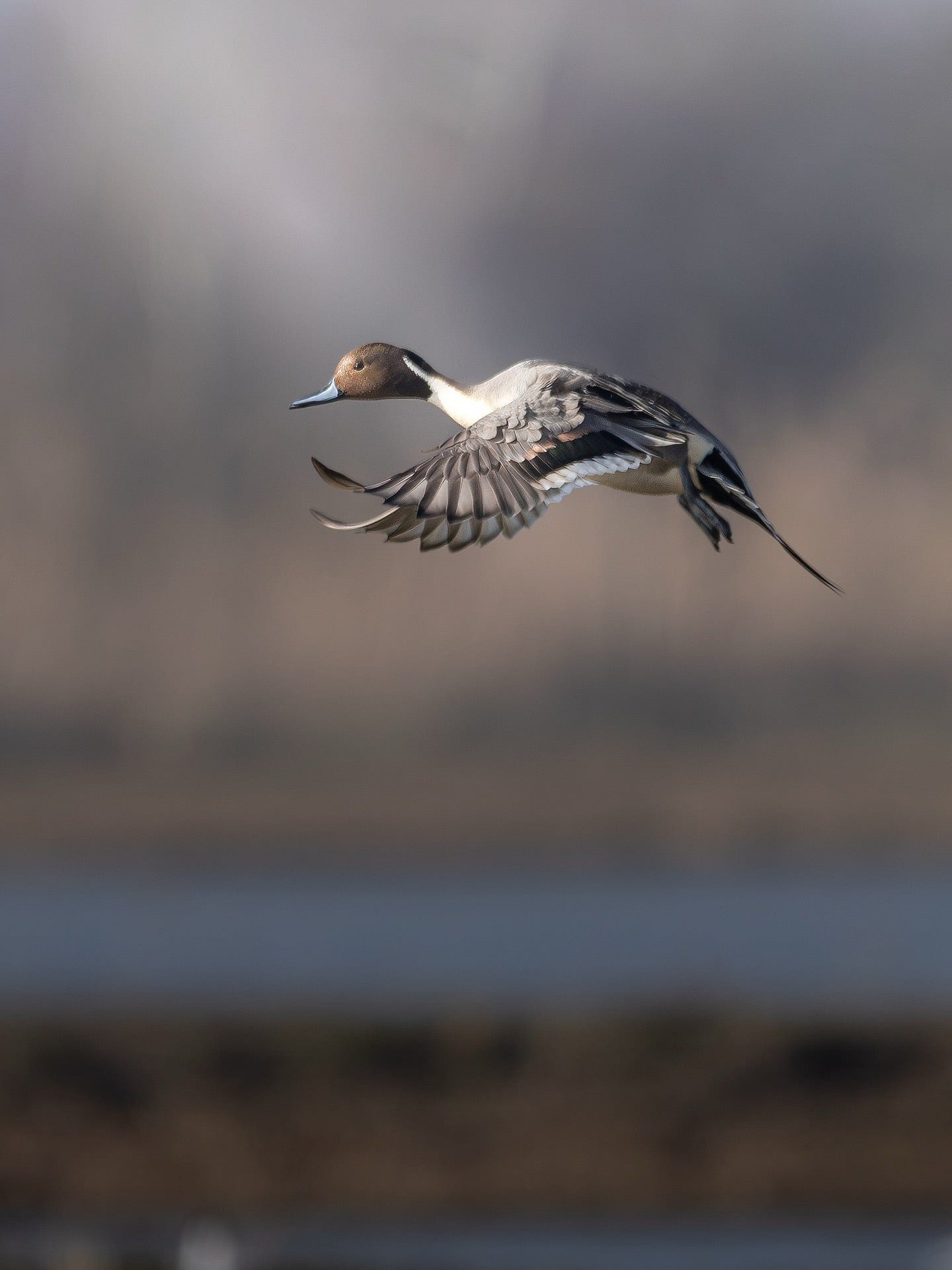
The sharp, high-contrast plumage that makes a drake easy to identify in spring is a breeding display, and it doesn't last all year. After breeding season, most male ducks molt into a duller, female-like "eclipse" plumage — and it catches a lot of people off guard the first time they notice it.
Why the molt happens at all
Molting flight feathers leaves a bird flightless for a period of a few weeks, which is a dangerous window to spend in bright, conspicuous breeding colors. Eclipse plumage is a safer, duller pattern to be wearing while temporarily grounded and vulnerable to predators.
It's not permanent
Once flight feathers regrow, males molt again back toward their brighter breeding plumage ahead of the next season. For a few weeks each year, though, a species can look genuinely different from its usual field guide image — which is a common source of misidentification for anyone not expecting it.
Why this matters for identification
A duck photographed in September might look drastically different from the same species photographed in March, and it's easy to assume they're different birds entirely. Bill shape and size tend to stay far more consistent than plumage through the eclipse period, and are usually a more reliable feature to identify by during that window.