2026-08-12 · Wildlife · Raptors · Conservation
Marsh Harriers and Why Wetlands Matter
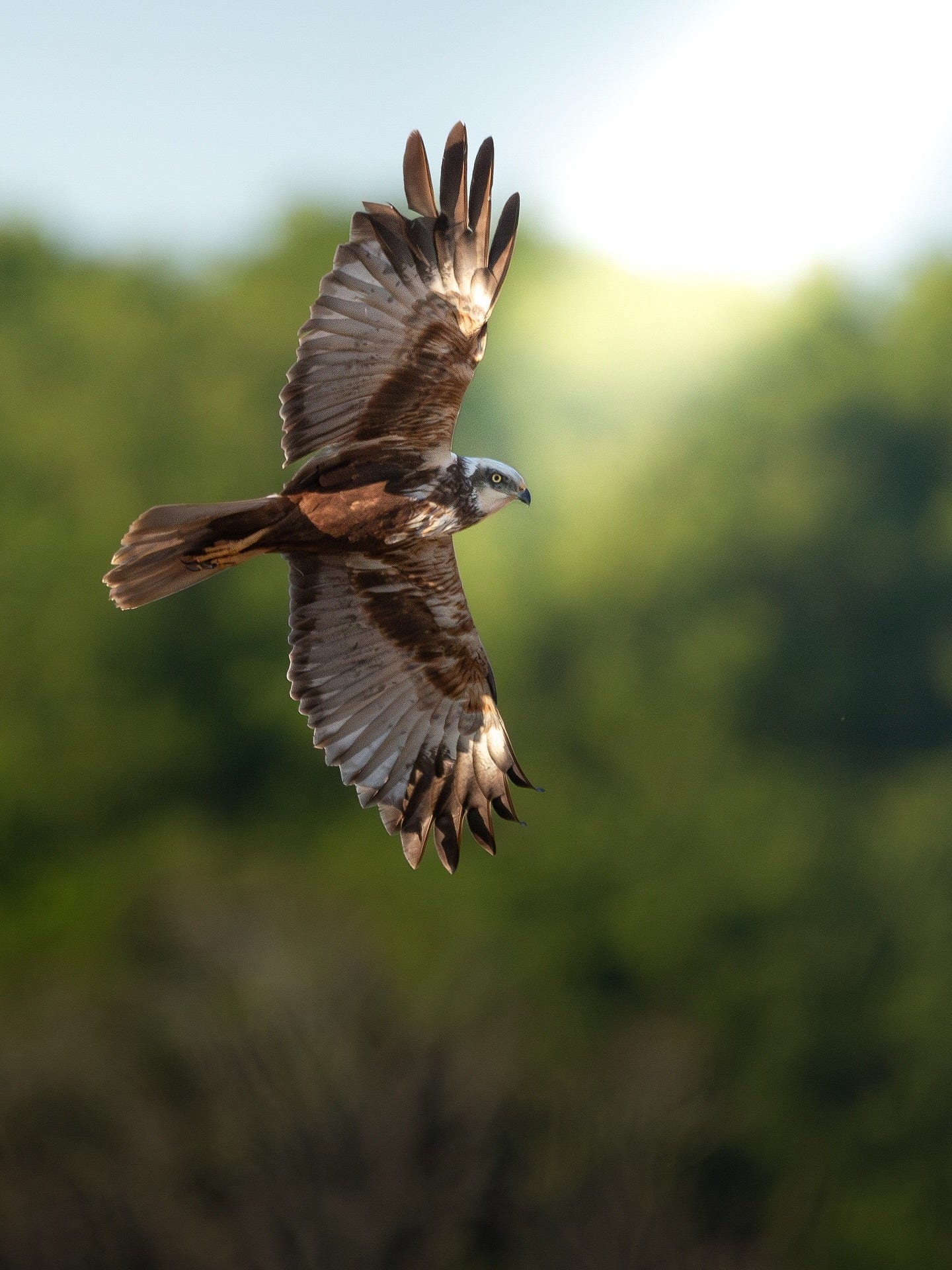
Marsh harriers hunt low and slow, gliding just above reedbeds and scanning for prey rather than stooping from height like a falcon. That hunting style is entirely dependent on large, undisturbed stretches of wetland — which is exactly the kind of habitat that's been shrinking for decades.
A hunting style tied to one habitat
Unlike a kestrel that can hover over a roadside verge or a hedgerow, a marsh harrier's low quartering flight only works over open reedbed and marsh, where it can see and hear prey moving below without obstruction. Drain the wetland or break it into small fragments and that hunting method stops being viable.
A useful indicator species
Because their presence depends on a specific, intact habitat type, marsh harrier numbers in an area are often used as a rough proxy for wetland health more broadly. Where they're doing well, it's usually a sign the reedbed ecosystem underneath them — fish, amphibians, smaller birds — is functioning too.
What this means behind the camera
Getting a clean flight shot means finding a spot with an open sightline across reedbed, then waiting for a hunting pass rather than trying to follow the bird — trying to track a harrier on the move usually just means a lot of frames of empty sky. It also means the same conservation logic applies to photographers as to the birds: undisturbed access to that habitat is the whole reason the shot is possible at all.