
2026-06-12 · Technique · Fieldcraft
Patience Over Gear: What Actually Makes a Wildlife Photo Work
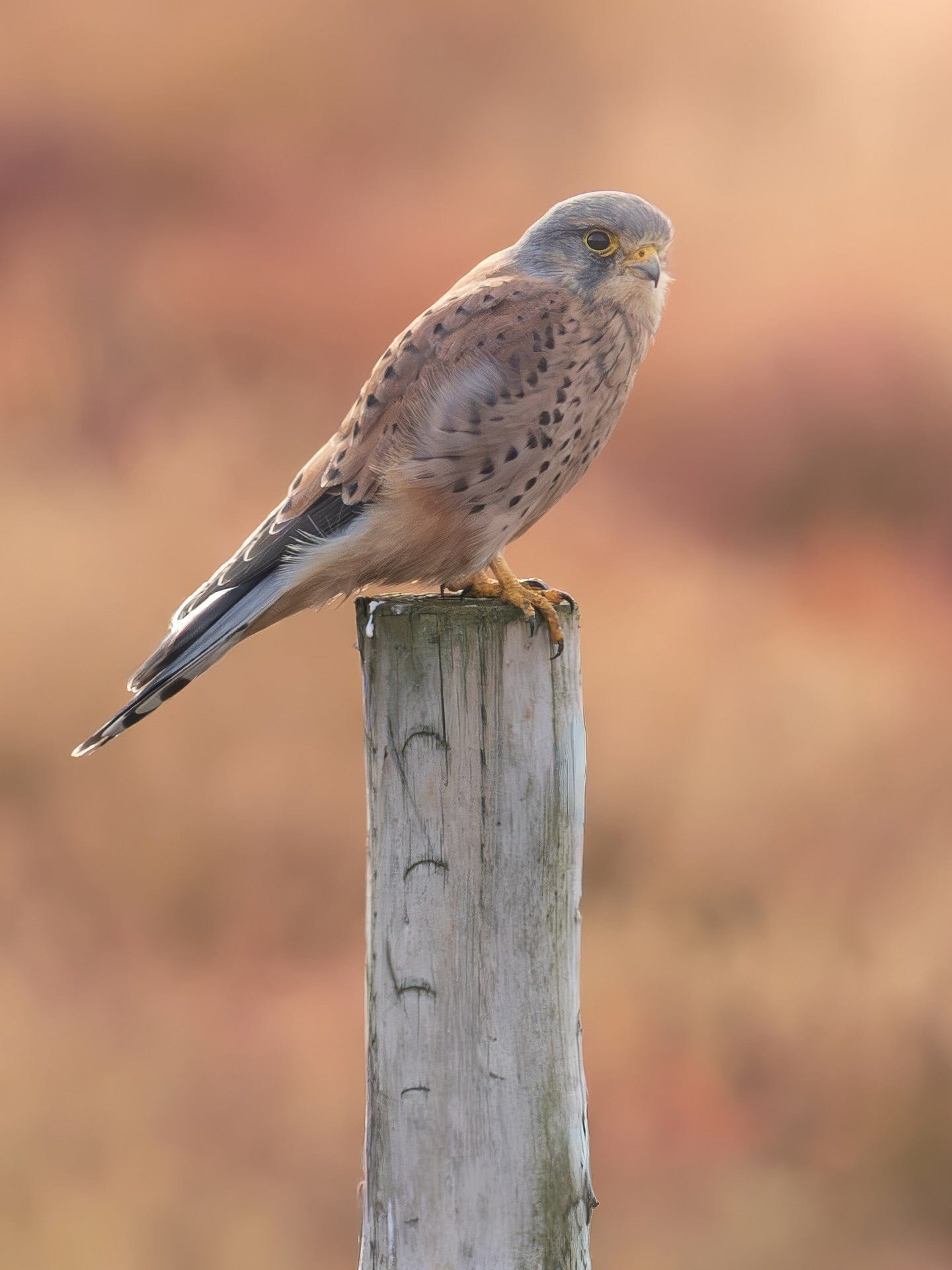
Every wildlife photographer goes through the same phase: convinced that a longer lens or a faster body is the thing standing between them and a better shot. Gear matters, but it's rarely the limiting factor.
What actually changes the outcome
Animals behave differently around something that isn't moving. Arrive at a spot, get low or settled somewhere with a clear sightline, and then stop — no repositioning every few minutes, no walking closer to "get a better angle." Most usable frames happen after the subject has stopped noticing you're there, and that only happens after enough stillness that it stops registering you as a threat.
Knowing the pattern beats reacting to it
A kestrel hovering over a verge, a heron stalking shallow water, an owl's usual quartering route at dusk — these are patterns, not one-off events. Watching first and shooting second means you're not chasing the moment, you're already positioned for where it's about to happen.
Where gear does matter
None of this means equipment is irrelevant — a longer reach helps keep a comfortable distance from a nervous subject, and a fast enough shutter matters for anything in flight. But those are enabling factors. They don't substitute for the hours of just being present and paying attention that most strong wildlife shots are actually built on.