
2026-08-26 · Wildlife · Shorebirds · Fieldcraft
Waders on the Shoreline: Lapwings, Plovers, and the Rhythm of the Tide
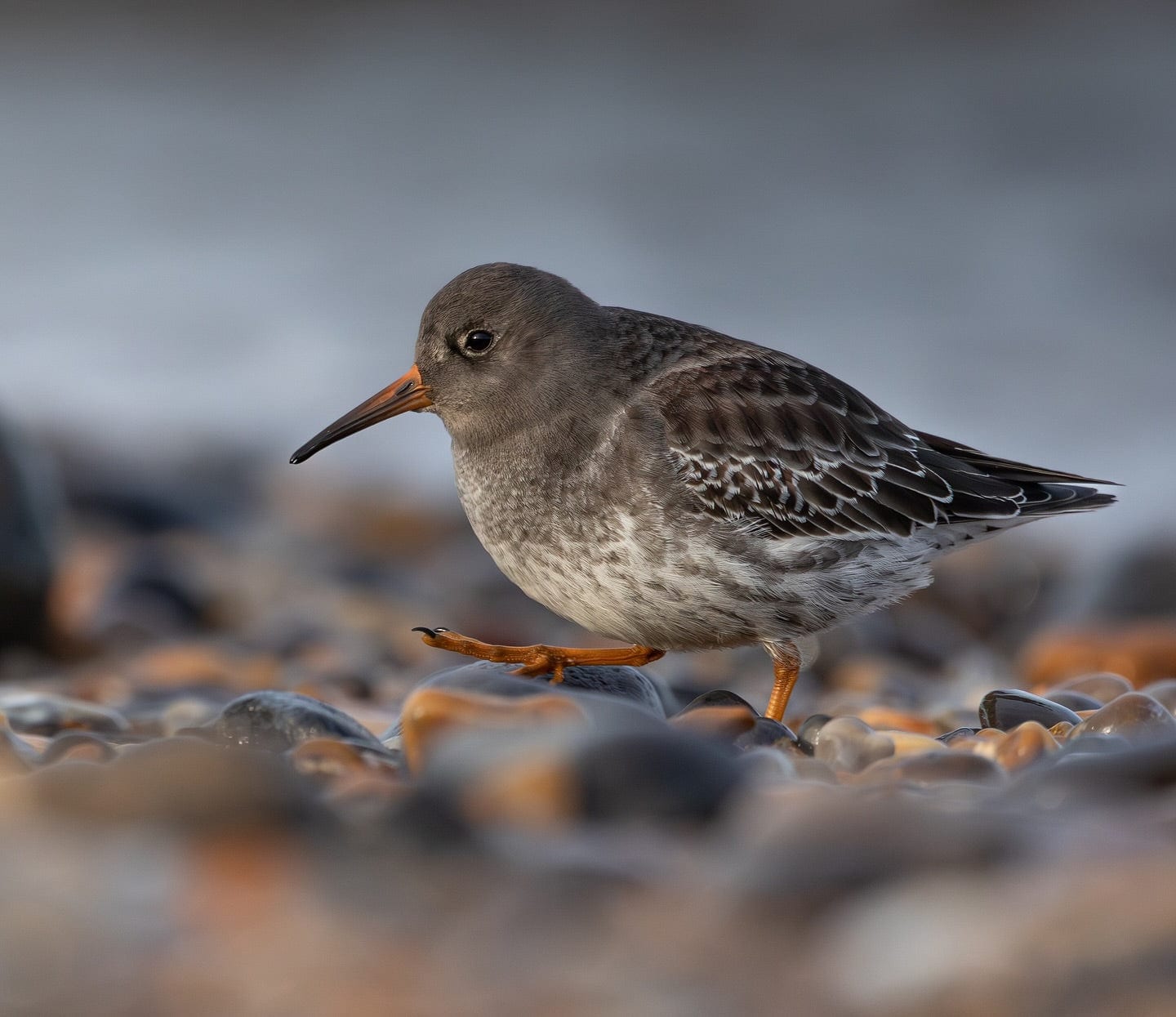
Lapwings, plovers, and the other waders in this collection all share one thing: their feeding activity is set by the tide, not the sun. Arrive at the "right" time of day but the wrong point in the tide cycle, and the birds simply won't be where the food is.
Why the tide matters more than the clock
As the tide goes out, it exposes mudflats and sand packed with invertebrates that waders probe for with their bills. High tide pushes that feeding ground underwater and pushes the birds up onto roosting areas instead, where they mostly rest rather than forage. A falling or low tide is when the real activity happens.
Different bills, different strategies
Watch closely and the differences between species show up in how they feed. Plovers use a run-stop-peck pattern, relying on eyesight to spot prey near the surface. Lapwings feed similarly but favor damp fields as much as shoreline. Longer-billed waders probe deeper into the mud by feel rather than sight. None of it looks dramatic from a distance, but it's a genuinely different technique bird to bird.
Getting low changes everything
Most flat, open shoreline means there's nowhere to hide, so the usual approach is the opposite of concealment — get low, move slowly, and let the birds get used to a shape that isn't approaching directly. A vertical human walking straight at them reads as a threat; a low, still shape at a steady distance mostly doesn't.